
Quality Craftsmanship Since 1972
For over five decades, Walton & Sons Masonry has been a cornerstone in the industry, renowned for delivering exceptional masonry services. Established in 1972, our family-owned business has built a legacy of quality craftsmanship and reliable performance.
We specialize in a wide range of masonry work, from elegant stone facades to durable brickwork, always with a commitment to precision and durability. Our team of skilled artisans combines time-honored techniques with modern innovations to ensure that every project meets the highest standards of excellence.
At Walton & Sons Masonry, we understand that masonry is both an art and a science. That’s why we take pride in our attention to detail, personalized service, and a dedication to exceeding our clients’ expectations. Whether you’re undertaking a new construction, renovation, or restoration, trust us to bring your vision to life with the craftsmanship that has defined our company for over 50 years.
Service
Masonry services encompass a broad range of construction and repair techniques utilizing materials such as brick, stone, concrete, and block. These services are essential for creating durable, aesthetically pleasing structures and enhancements in both residential and commercial settings. Here’s an overview of the key masonry services offered:
Brickwork
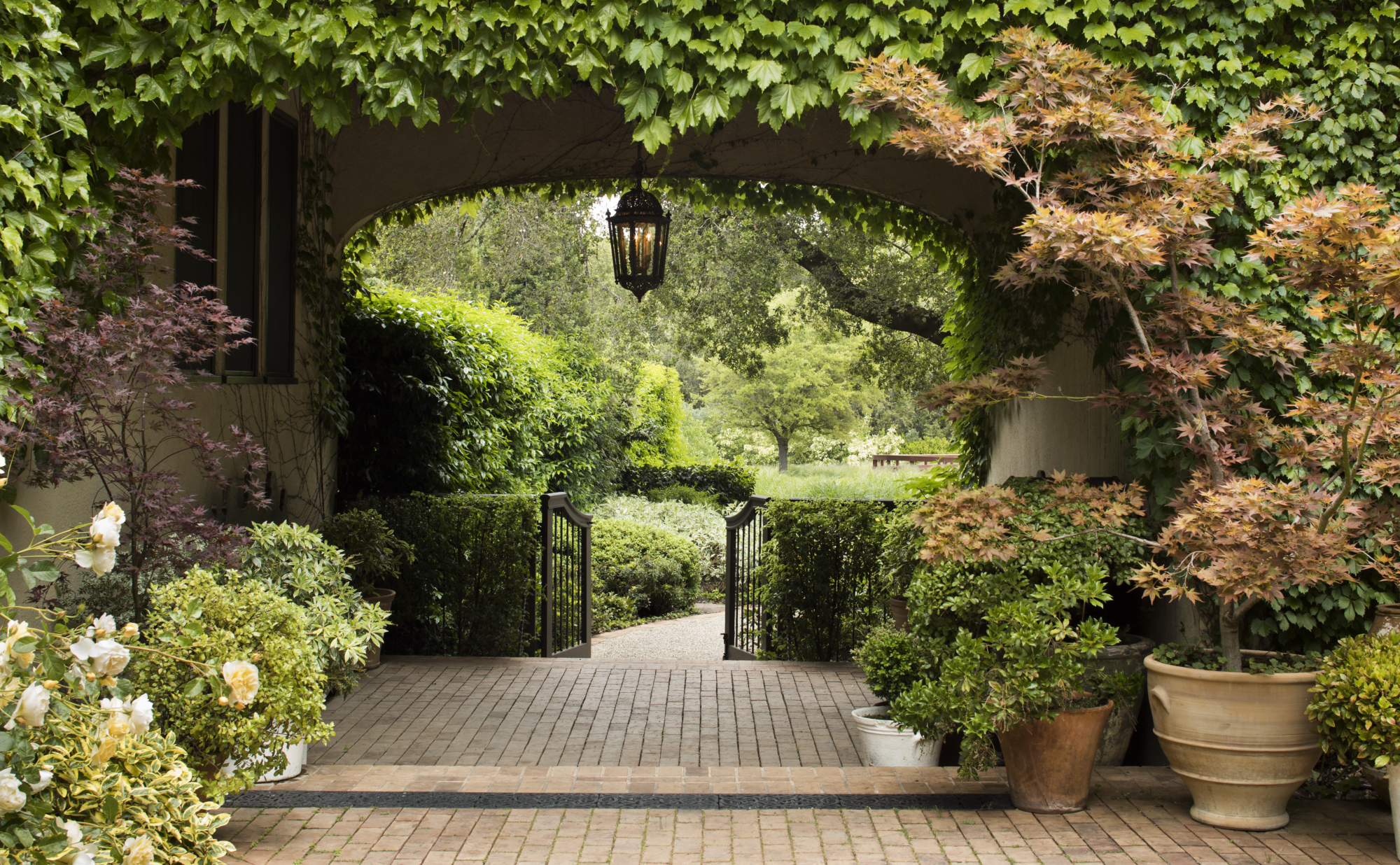
Expert installation and repair of brick structures, including walls, walkways, and patios. Our services ensure that every brick is meticulously placed for both functionality and visual appeal.
Stonework
Crafting and installing natural and manufactured stone elements, such as decorative facades, stone walls, and elegant fireplaces. Our stonework combines traditional craftsmanship with modern techniques for enduring beauty.
Block Masonry
Construction of small structural and non-structural walls using concrete masonry units. Ideal for both load-bearing and partition walls, offering durability and stability.
Restoration and Repair
Repair and restoration of existing masonry structures to address issues such as cracks, wear, and weather damage. Our skilled craftsmen can restore the integrity and appearance of many masonry elements to near original condition.
Custom Masonry Projects
Tailored masonry solutions for unique projects, including custom outdoor kitchens, garden walls, stone fire pits, and architectural features. We work closely with you and your team to bring your vision to life with precision and creativity.
Chimney Services
Installation, repair, and maintenance of chimneys to ensure safe and efficient operation.
Our masonry services are characterized by a commitment to quality, attention to detail, and a dedication to meeting your specific needs. Whether you’re constructing a new feature, repairing an existing one, or undertaking a complete renovation, our skilled team is here to deliver exceptional results.
Areas of Service
San Francisco
Daly City
Brisbane
South San Francisco
Pacifica
Half Moon Bay
El Granada
Moss Beach
Montara
Pescadero
Woodside
Atherton
Menlo Park
Palo Alto
Los Altos
Los Altos Hills
Mountain View
Sunnyvale
Cupertino
Saratoga
Santa Clara
Campbell
San Jose
Morgan Hill
Gilroy
Watsonville
Monterey
Seaside
Del Rey Oaks
Carmel-by-the-Sea
If you have a project that you would like us to look at, please reach out for timing and availability.